Ledger Links and Alert Networks Refine Payment Flows and Odds Scrutiny in Soccer, Equine Races, and Table Games via Portable Betting Platforms
Henrik Braun · Jul 28, 2026

Ledger Links and Alert Networks Refine Payment Flows and Odds Scrutiny in Soccer, Equine Races, and Table Games via Portable Betting Platforms
Portable betting platforms now integrate ledger links that connect transaction records directly to user accounts while alert networks deliver instant notifications on odds shifts and payment confirmations across soccer matches, equine races, and table games. These systems operate through encrypted connections that verify each wager and settlement without intermediate delays, and data from industry reports shows transaction completion times dropping below three seconds in many applications during 2026.
Operators deploy distributed ledger technology to record deposits, withdrawals, and bet placements on shared digital chains that multiple parties can audit simultaneously. This approach reduces reconciliation errors because each entry carries a timestamp and cryptographic signature that platforms cross-check automatically. Observers note that such links allow seamless movement of funds between bank accounts, e-wallets, and betting balances while maintaining compliance records that regulators in various jurisdictions review periodically.
Payment Flow Mechanisms on Mobile Devices
Alert networks complement these ledgers by pushing real-time messages to user devices whenever odds change or a payment processes successfully. In practice, a bettor placing a wager on a soccer match receives confirmation within moments, and the same channel flags any discrepancy in live odds before the next play begins. Equine racing platforms apply similar protocols to track tote pool updates and fixed-odds adjustments that occur between races, whereas table game applications monitor chip movements and side-bet resolutions through the same alert pathways.
Studies conducted by academic researchers at institutions including the University of Nevada, Las Vegas indicate that integrated ledger and alert systems cut dispute rates by measurable margins because every action leaves an immutable trail accessible to both operators and users. Mobile applications incorporate biometric verification alongside these networks, which accelerates authorization steps and limits unauthorized access attempts reported in quarterly security summaries.
Application Across Soccer, Equine Racing, and Table Games
Soccer betting benefits from continuous ledger updates that capture in-play goal scorers, card issuances, and substitution events as they register with official data feeds. Alert networks then notify users of revised probabilities for next-goal markets or half-time results, allowing rapid adjustments without leaving the application interface. Equine race operators link starting-gate data and photo-finish results directly into the ledger so payouts reflect verified outcomes within minutes of race completion.
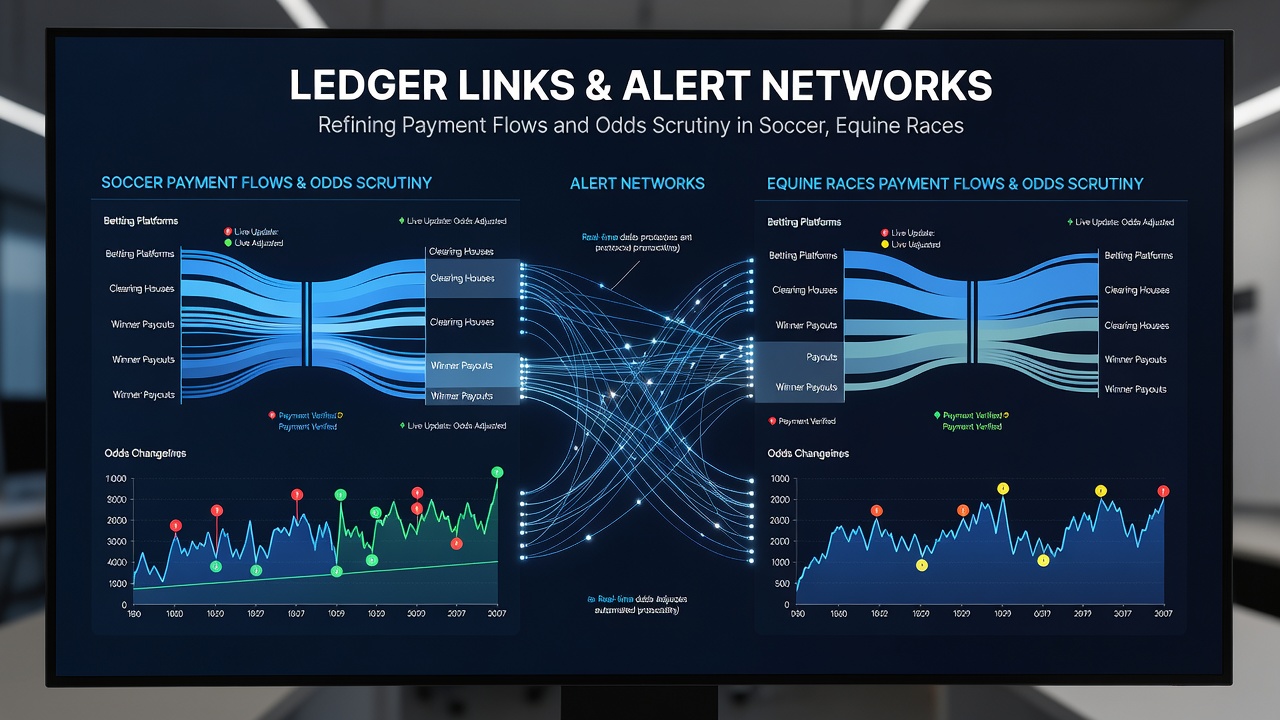
Table game sections on portable platforms apply the same structure to track blackjack hand outcomes, roulette wheel results, and poker hand rankings through dedicated sub-ledgers that feed into the central user balance. Alert services notify participants of bonus triggers or progressive jackpot contributions as they accumulate, and users can review transaction histories segmented by game type without manual sorting. Figures from the International Association of Gaming Regulators released in early 2026 highlight increased adoption rates of these combined technologies across multiple continents.
Technical Integration and Security Considerations
Development teams embed application programming interfaces that connect betting engines to both ledger databases and alert distribution servers, ensuring synchronization occurs at sub-second intervals. Security protocols include end-to-end encryption for all transmitted data and regular penetration testing conducted by independent firms. As of July 2026, several platforms reported successful implementation of multi-signature wallet features that require dual authorization for larger withdrawals, further strengthening the ledger link layer against potential interference.
Users access these features through dedicated mobile applications that display live odds alongside balance indicators updated via the alert network. Push notifications can be customized to prioritize specific sports or game categories, and historical performance data remains available through searchable archives tied to the same ledger infrastructure. Regulatory bodies in Australia and Canada have issued guidance encouraging operators to maintain transparent audit trails generated by these systems, which supports broader efforts to monitor market integrity.
Conclusion
Ledger links and alert networks continue to shape how portable betting platforms handle payments and odds scrutiny in soccer, equine races, and table games. Their combined operation delivers verifiable transaction records and timely notifications that align with existing compliance requirements across different regions. Continued refinement of these tools supports operational efficiency while providing users with clear visibility into each stage of the betting process.