Integrating Real-Time Data Streams with Transaction Systems in Mobile Match and Race Wagering Platforms
Avery Schröder · Jul 31, 2026
Integrating Real-Time Data Streams with Transaction Systems in Mobile Match and Race Wagering Platforms
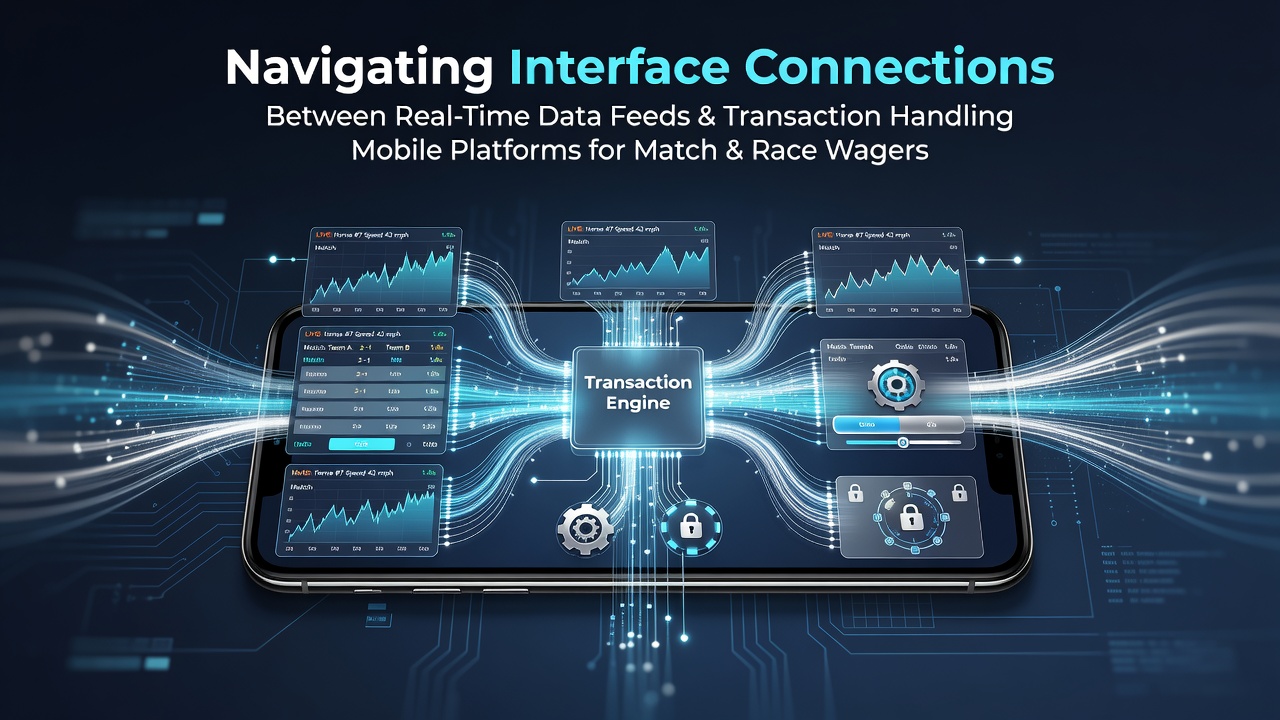
Modern mobile platforms for match and race wagers rely on tight connections between incoming data feeds and payment processing layers, and observers note that these connections determine how quickly odds update and funds move during live events. Data arrives from multiple sources including sports data providers and track sensors, then flows into application servers that recalculate probabilities and push revised figures to user devices within seconds. At the same time the transaction engine validates balances, records stakes, and confirms payouts once results settle, creating a continuous loop that keeps both information and money in motion.
Data Feed Architectures and Mobile Synchronization
Real-time feeds deliver match statistics, horse positions, and market odds through APIs that mobile apps poll or receive via push protocols, while developers structure these streams so that latency stays below thresholds required for in-play betting. Researchers at technical institutions have documented how WebSocket connections maintain persistent channels that deliver updates without repeated polling, and this approach reduces both battery drain and network overhead on user devices. When a goal occurs in a football match or a leader changes in a race, the feed triggers recalculation of odds across related markets, and the system simultaneously checks user positions to adjust exposure limits before the next wager can be placed.
Transaction Handling Layers and Security Protocols
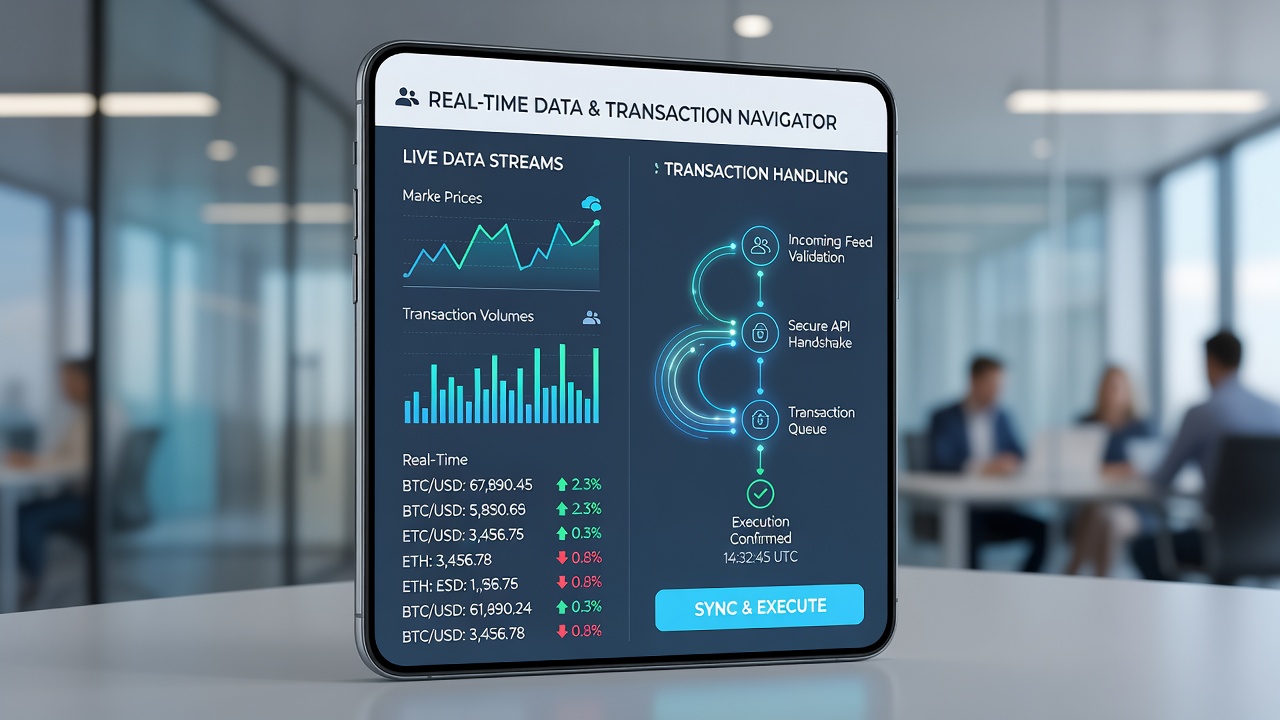
Transaction modules sit alongside the data layer and use tokenization plus encryption standards to authorize deposits and withdrawals while the same session handles live bets, and regulatory frameworks in several jurisdictions require that these steps complete within defined time windows. In July 2026 industry reports showed mobile transaction volumes rising across European and North American markets as operators expanded support for instant bank transfers and digital wallets, and those figures revealed that average settlement times for matched wagers dropped below four seconds on leading platforms. The transaction engine cross-references incoming data feeds to confirm that a bet request still matches current odds before committing funds, preventing mismatches that could arise from delayed updates.
Interface Design Patterns for Low-Latency Environments
Application interfaces combine visual indicators of live data freshness with transaction status messages, and designers place confirmation buttons near updated odds panels so users can act without switching screens. Studies from academic research groups have shown that grouping feed status and wallet balance in a single header reduces user errors during rapid market swings, and this layout appears in apps serving both soccer leagues and thoroughbred tracks. When network conditions degrade the interface switches to cached values with clear warnings, and the transaction queue holds pending requests until connectivity returns or the event window closes.
Regulatory and Compliance Considerations Across Regions
Operators must align their interface connections with rules set by bodies such as the European Gaming and Betting Association and state-level regulators in North America, and these requirements cover audit trails that link each data update to the corresponding transaction record. Compliance teams review logs that timestamp when odds changed and when funds moved, and this documentation supports dispute resolution when a user questions the final settlement of a live wager. Data from Canadian provincial oversight agencies has indicated steady growth in mobile channel usage through mid-2026, prompting further investment in redundant feed paths that keep transaction processing uninterrupted during peak periods.
Performance Metrics and System Reliability
Platform operators track metrics such as feed-to-transaction latency, error rates on wager placement, and recovery time after outages, and these numbers guide decisions on server placement and caching strategies. One study conducted by a European technical university found that adding edge servers near major population centers cut average data-to-payment round trips by 35 percent, and similar gains appeared when operators introduced failover mechanisms that reroute feeds without dropping active sessions. Race and match events generate bursts of activity that test these connections, and engineers monitor queue depths to ensure transaction handlers keep pace with incoming odds revisions.
Future Developments in Feed and Payment Integration
Emerging protocols aim to embed more contextual information within data streams so that transaction systems can apply dynamic risk rules automatically, and early implementations already appear in select mobile applications serving international users. Observers note that continued refinement of these interfaces supports higher volumes without proportional increases in manual oversight, and testing in July 2026 environments demonstrated stable performance during simultaneous major football fixtures and multi-track racing schedules. Continued collaboration between data providers, payment processors, and platform developers remains central to maintaining reliable connections as market activity expands.
Conclusion
Effective navigation of interface connections between real-time data feeds and transaction handling enables mobile platforms to deliver consistent service for match and race wagers, and the technical choices made in architecture, security, and compliance directly influence operational outcomes. Data from multiple regulatory and research sources continues to shape how these systems evolve, while ongoing measurement of latency and reliability provides the basis for incremental improvements across the sector.