Decoding Synchronization in Betting Systems: Verification and Dynamic Wager Updates
Sofia Becker · Oct 11, 2026
Decoding Synchronization in Betting Systems: Verification and Dynamic Wager Updates
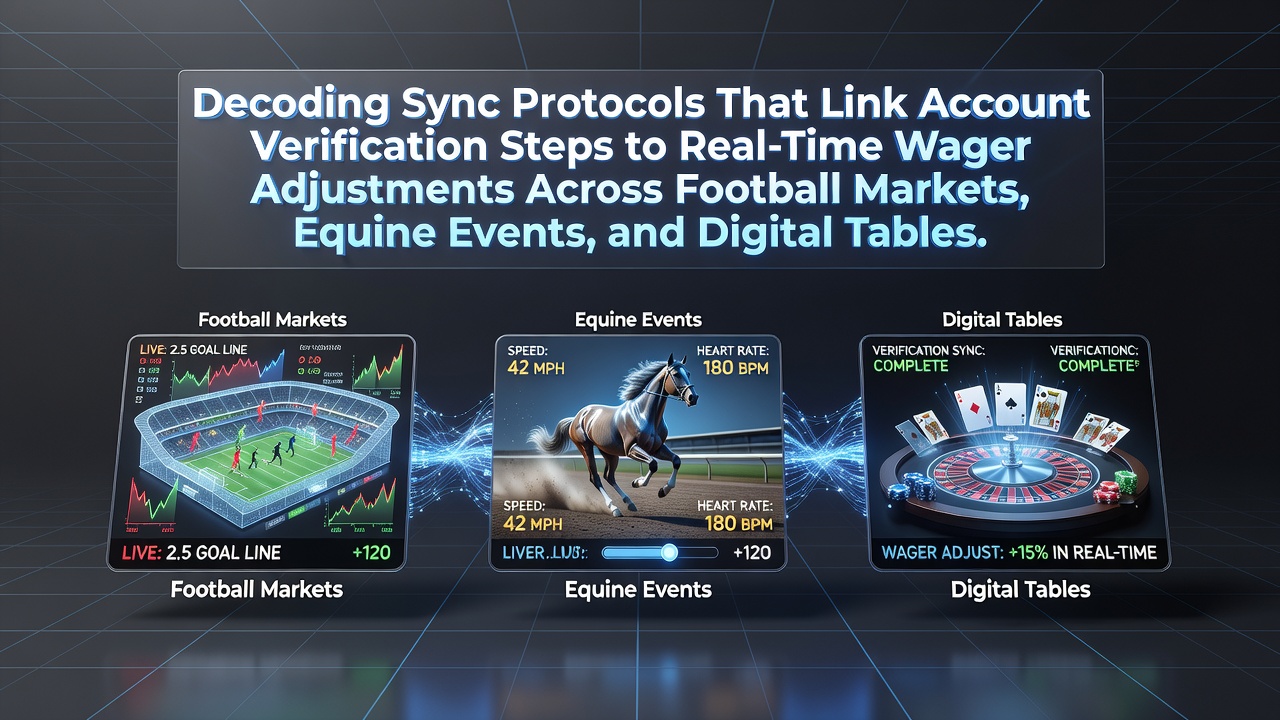
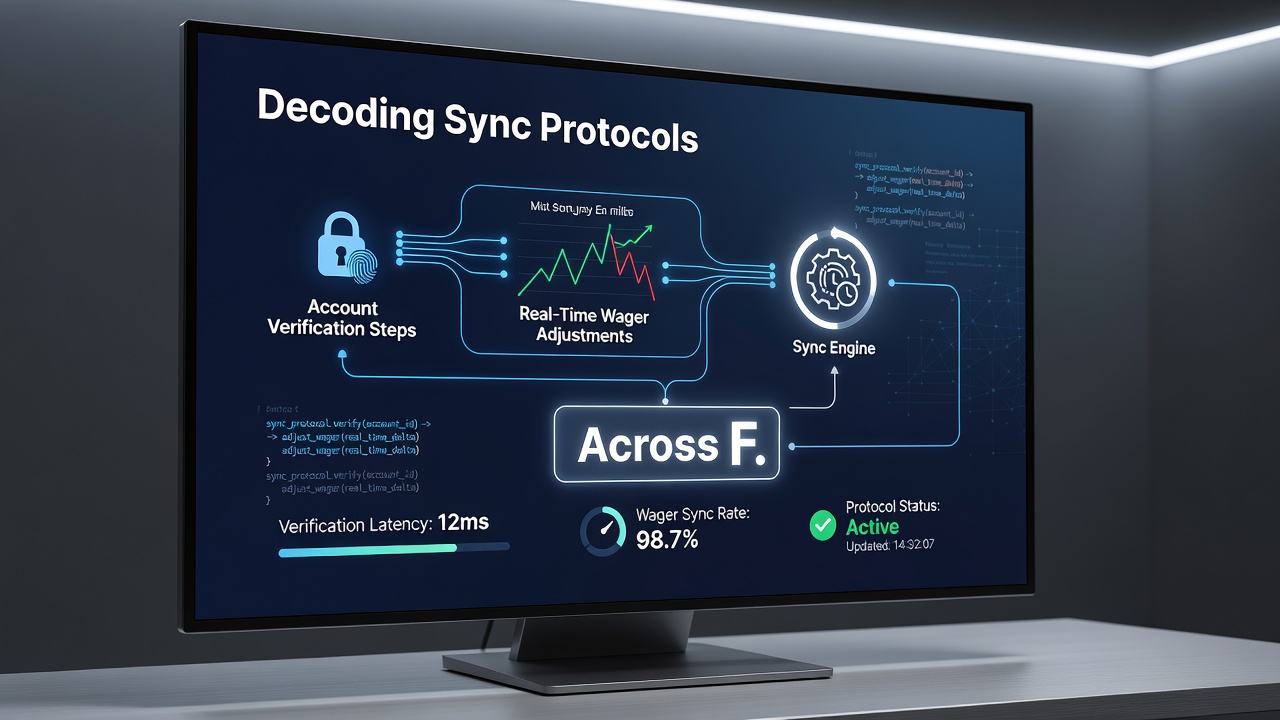
Sync protocols form the backbone of modern betting platforms where account verification steps connect directly to real-time wager adjustments, and these connections operate across football markets, equine events, plus digital tables with varying degrees of complexity. Systems use API-driven data exchanges to confirm user identities before permitting modifications to active bets, while timing these checks against live market fluctuations that occur during matches, races, or game rounds. Observers note that verification layers pull data from identity databases and feed results into odds engines, enabling adjustments such as stake limits or payout recalculations without interrupting user sessions.
Core Components of Sync Protocols
Protocols rely on standardized data packets that transmit verification status alongside wager parameters, and integration points include secure sockets for continuous streams plus event triggers that activate when markets shift. In practice, a completed identity check updates a central ledger, which then signals adjustment modules to recalculate exposure levels based on current probabilities. Data shows these handshakes complete in milliseconds during peak activity periods, supporting seamless transitions between verification and betting actions across different event types.
Football markets demand rapid updates because odds change with each goal, substitution, or card, and sync protocols align verification confirmations with these moments to prevent delays in live wager modifications. Equine events follow structured timelines from pre-race odds to in-running adjustments, whereas digital tables operate on continuous cycles where verification status influences table limits or bonus applications instantly. Researchers have observed that unified protocols reduce mismatches between user accounts and market data by routing all checks through a single middleware layer.
Application Across Football Markets
Platforms handling football wagers employ sync mechanisms that monitor account status during matches, and verification steps such as address confirmation or payment source validation trigger immediate recalibrations of available stakes. When a user completes these steps mid-game, the protocol pushes updated risk profiles to the odds server, which then adjusts lines for ongoing bets on outcomes like total goals or player performances. Figures from industry reports indicate that such integrations handle thousands of concurrent sessions without latency spikes, maintaining consistency between verified accounts and dynamic market conditions.
Equine Events and Protocol Handling
Horse racing platforms integrate sync protocols that link verification to wager adjustments at key race phases, including pre-post and in-play stages where odds fluctuate based on track conditions or betting volume. The system queues identity checks alongside race data feeds, allowing adjustments like bet cancellations or hedge placements once verification clears. This approach accommodates the discrete timing of equine events, where races last minutes yet require precise synchronization to avoid conflicts between account flags and live pool calculations.
Digital Tables and Continuous Verification Flows
Casino table environments use similar protocols for games such as roulette and blackjack, where real-time wager adjustments depend on ongoing verification status to enforce responsible play thresholds or session limits. Sync layers monitor each table round and cross-reference account details, enabling instant changes to bet sizes or game access when new verification data arrives. Industry analyses from groups like the European Gaming and Betting Association highlight how these flows maintain operational integrity across high-volume digital sessions without separate manual interventions.
Cross-market platforms combine these elements through modular architectures that treat football, equine, and casino data streams uniformly, and verification events propagate to all active wagers regardless of category. As of October 2026, updates to protocol standards have incorporated enhanced encryption for data packets, supporting faster reconciliation between verification servers and adjustment engines. One case study from North American operators revealed reduced error rates in wager modifications after implementing unified sync layers that handle multiple event types simultaneously.
Technical Integration and Data Standards
Standards such as JSON-based messaging and WebSocket connections underpin these protocols, allowing verification outcomes to influence wager parameters in real time across varied betting formats. Developers route checks through centralized identity hubs that broadcast status changes to market-specific modules, ensuring adjustments reflect the latest account data. Reports from research institutions including those affiliated with the American Gaming Association document how these integrations scale to accommodate seasonal spikes in activity while preserving accuracy in adjustments for football, racing, and table games alike.
Conclusion
Sync protocols continue to evolve as essential connectors between account verification and wager adjustments, delivering coordinated functionality across football markets, equine events, and digital tables through structured data exchanges and event-driven triggers. These mechanisms support operational continuity by aligning identity confirmations with live market dynamics, and ongoing refinements in October 2026 reflect broader adoption of secure, efficient standards that address the distinct requirements of each betting category.